
When You Apply The Scientific Method, Using Empirical Observations, The Earth Cannot Be Perceived in Infinite Ways

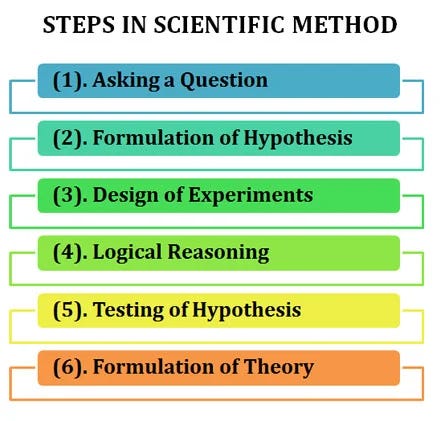
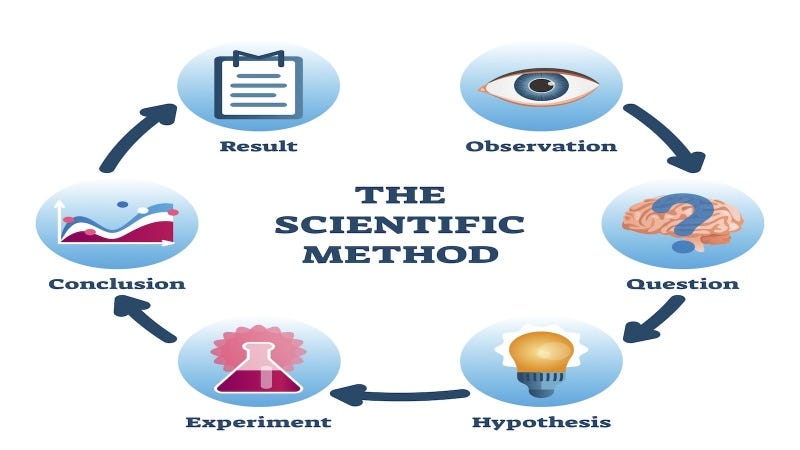
When you apply the scientific method, using empirical observations, The Earth cannot be perceived in infinite ways. It is measurably, verifiably, and testably a flat plain with various topographic aberrations (i.e., valleys, lakes, oceans, cliffs, canyons, hills, mountains, etc..)
It is only when one’s perception is contaminated with theoretical conjecture and indoctrinational biases that any and all perceptions appear to be valid.
But this is not science.
It is pseudoscience storytelling.

Collection of Infrared and Natural High Altitude Photography: Especially IR Distortion Reduction of Atmospheric Refraction
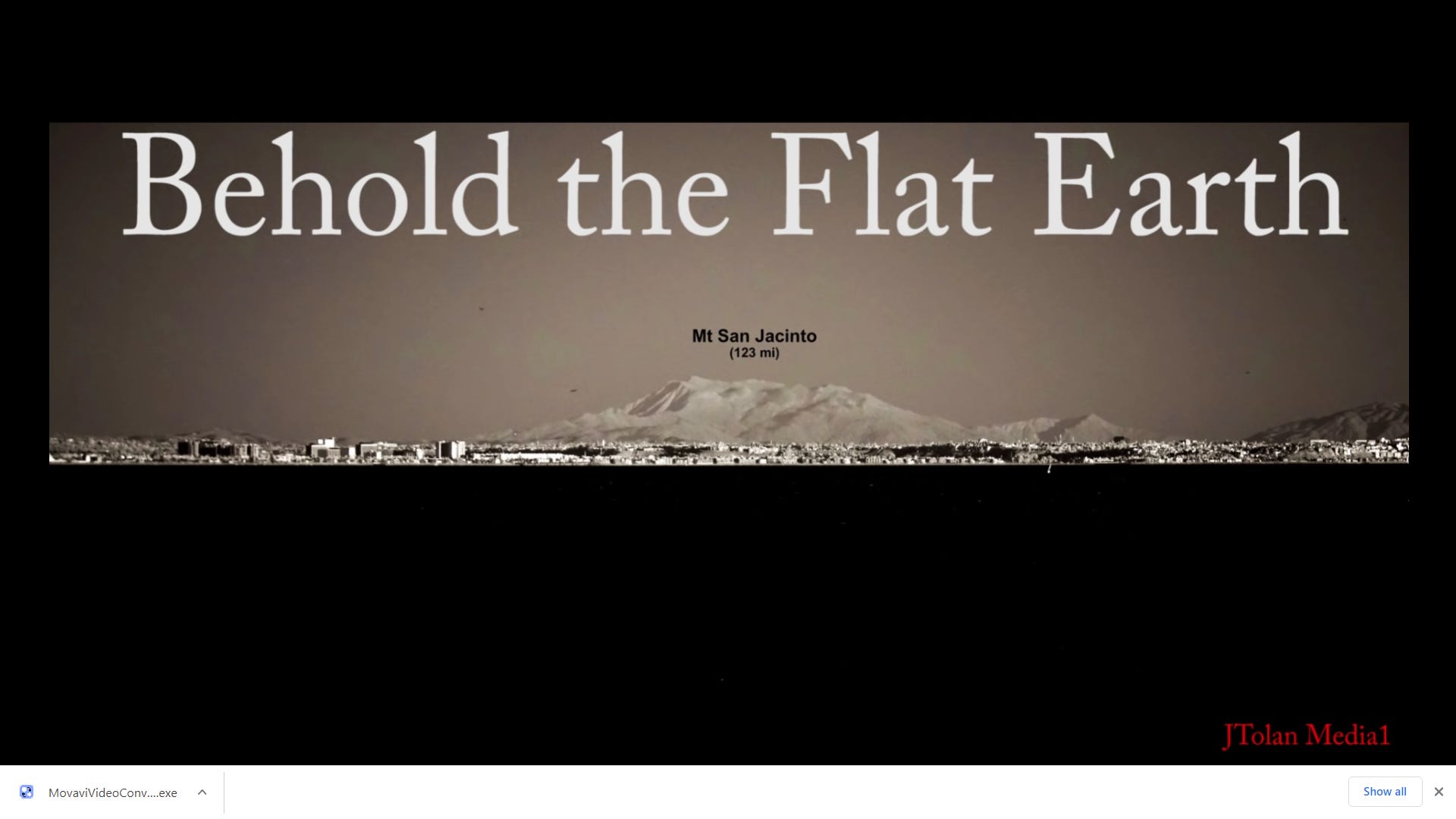
Did you ever wonder why Infrared Photographed landscape photos look so crispy sharp? It may not be obvious. But photographing in the near-infrared part of the spectrum has some definite benefits over photographing visible light, especially for landscape photography. You might have noticed that infrared light has some ability to penetrate the haze in the air. Why is that? Haze is caused by light scattering off particles in the air. One of the fascinating features of IR photography is its ability to penetrate haze and light fog. Infrared radiation has a longer wavelength than visible light and can penetrate haze more easily.
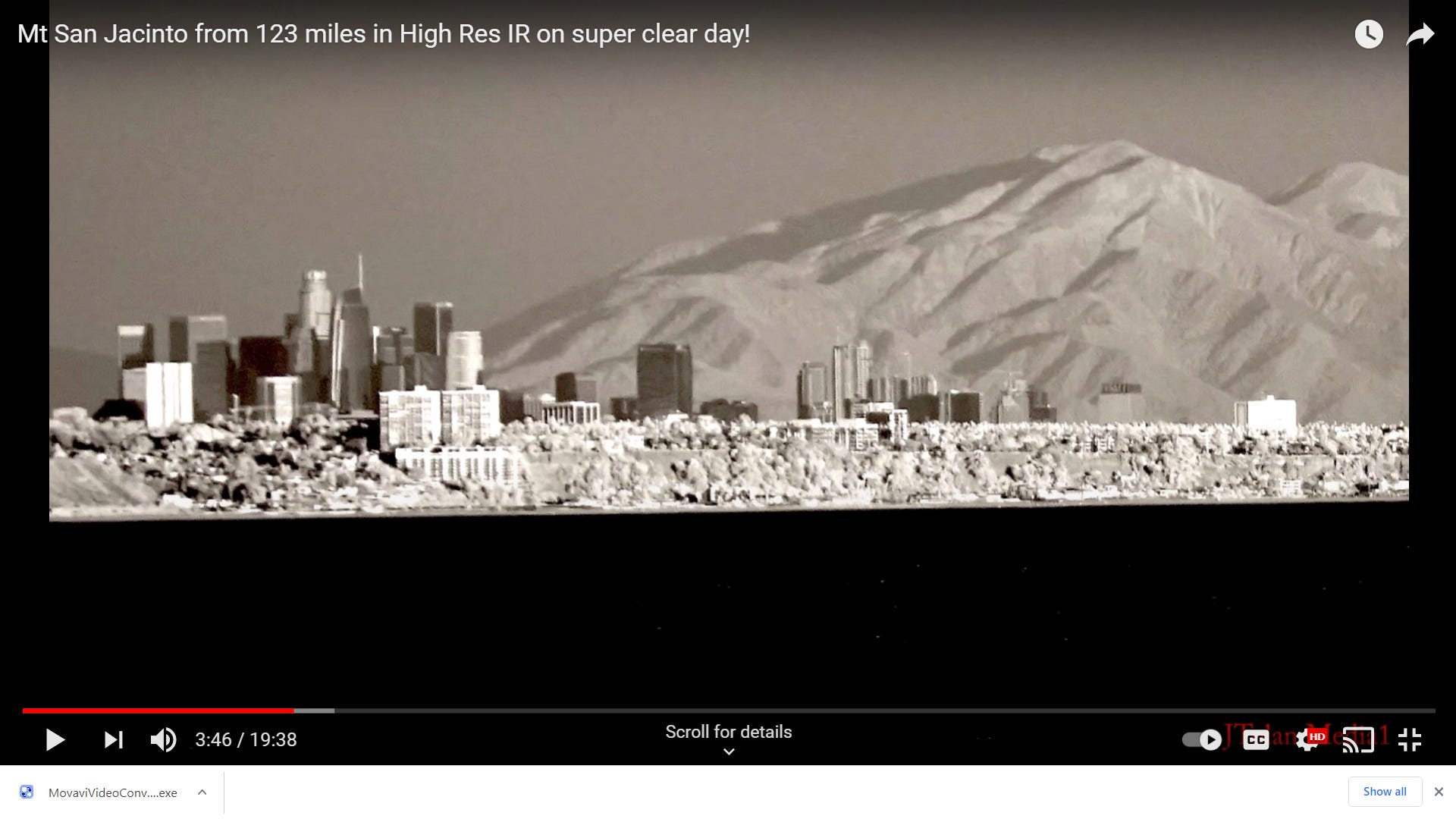
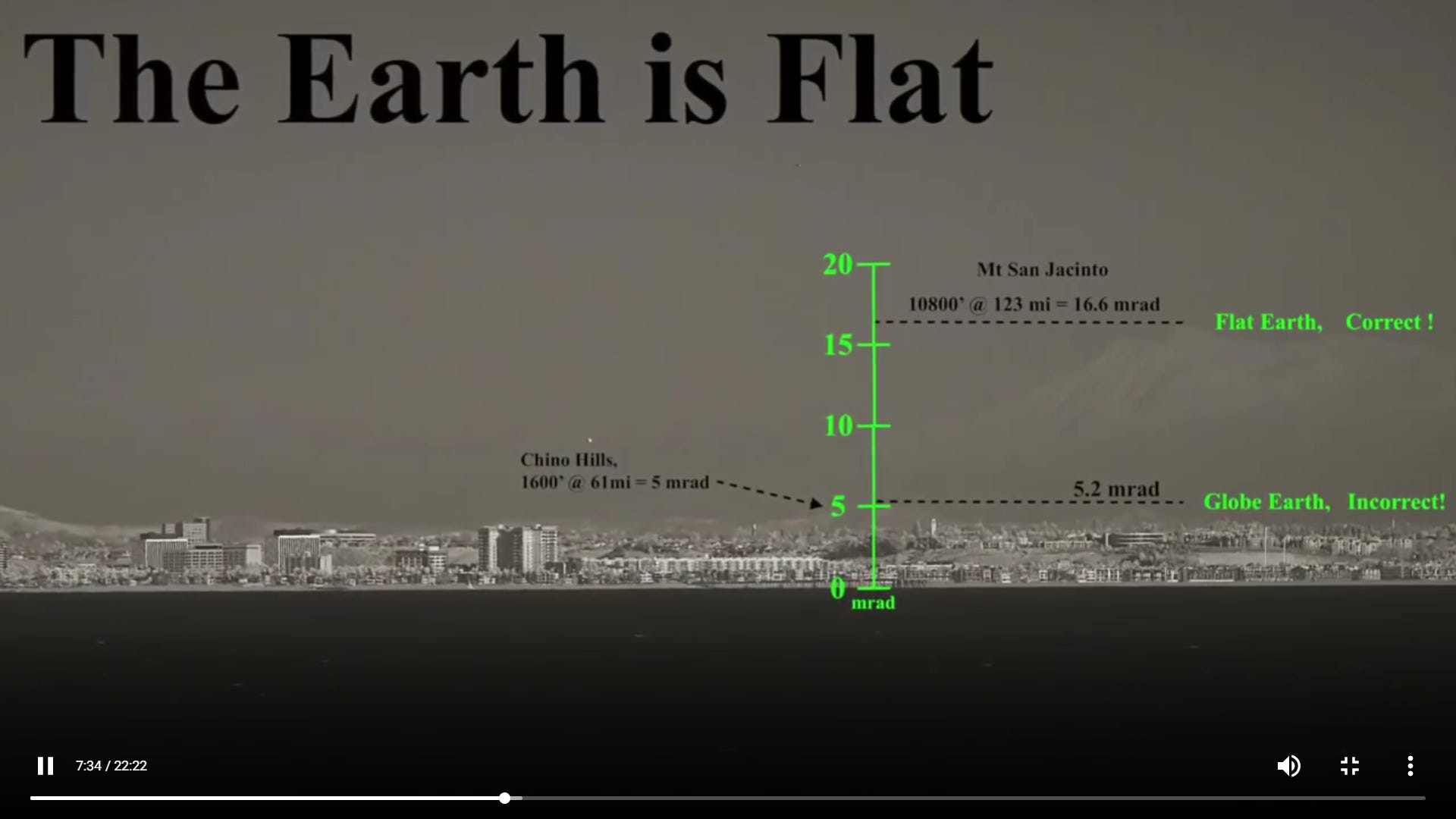
Complete Analysis of the Infrared image taken by Jtolan Media
FLAT EARTH The Last Word On San Jacinto:
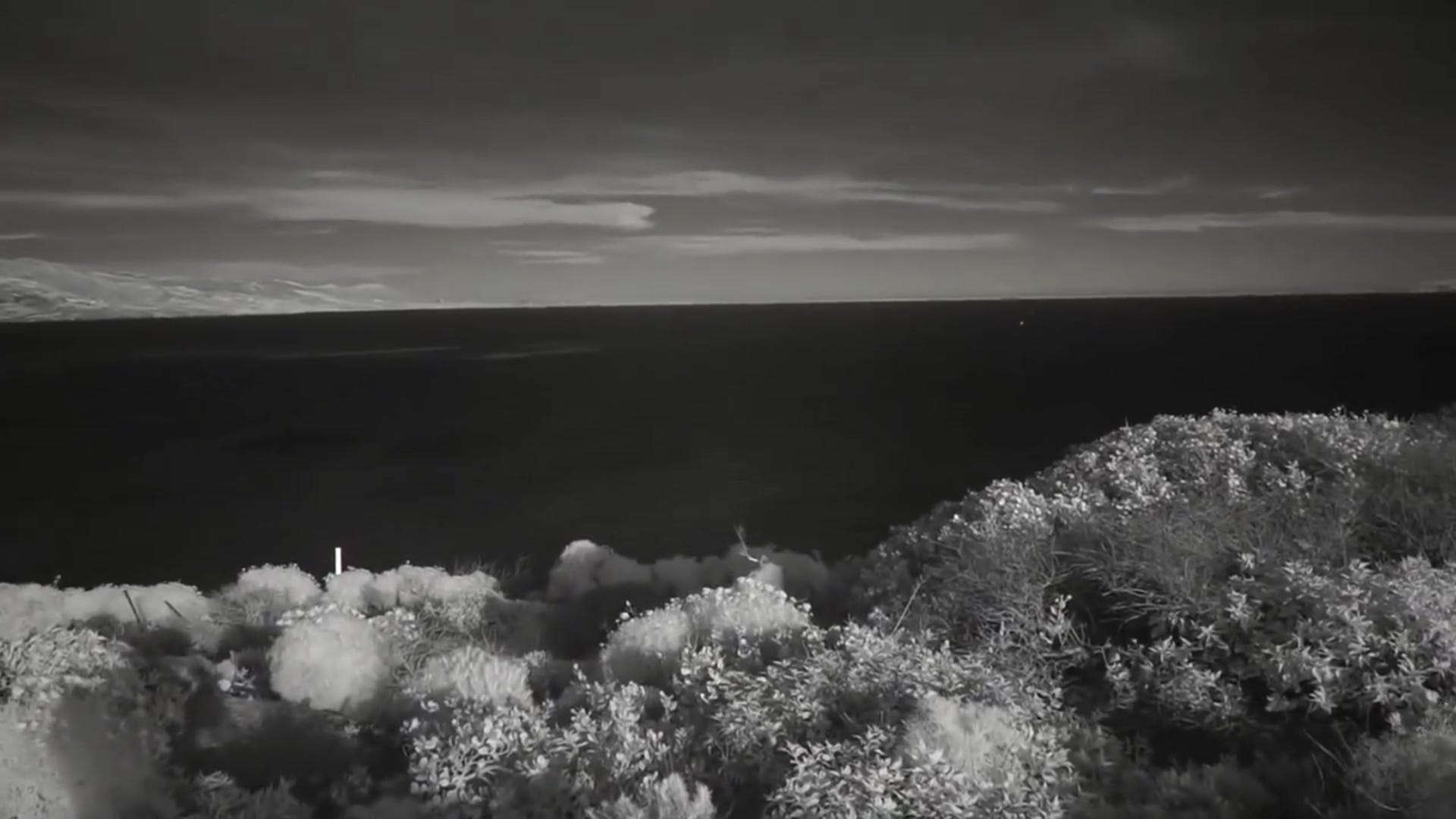
What does this mean for Flat Earth proof? Well, with Infrared Photography, you eliminate the excuse of missing curvature as being the result of leaping images jumping up because of refraction. Infrared does not operate using the visible light spectrum, and so the refraction that might be caused by water droplets or pollution in the atmosphere is easily ruled out.
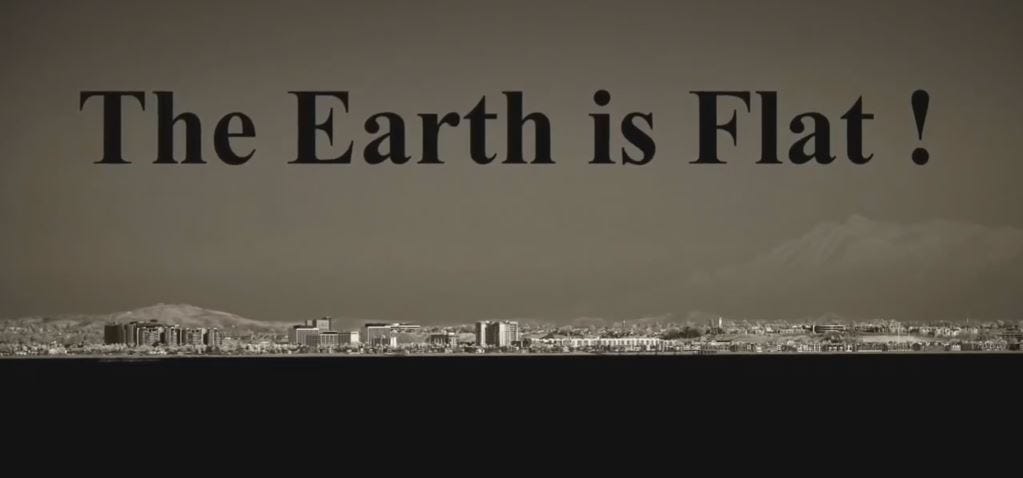
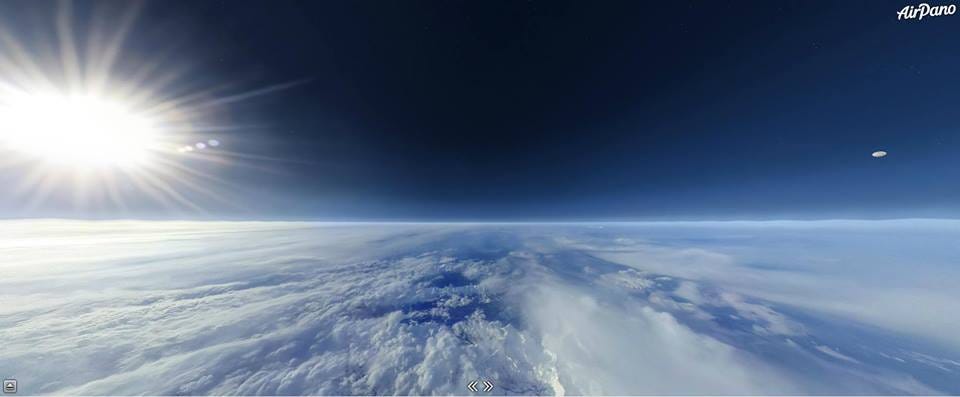
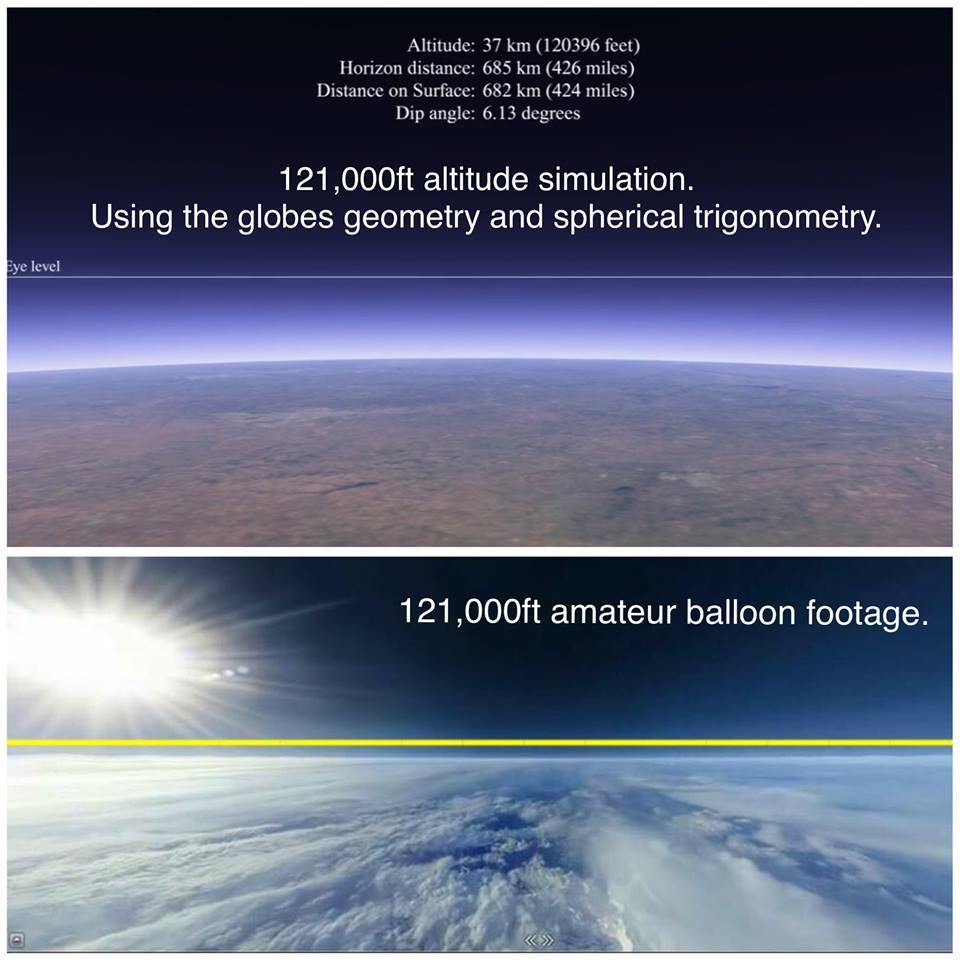
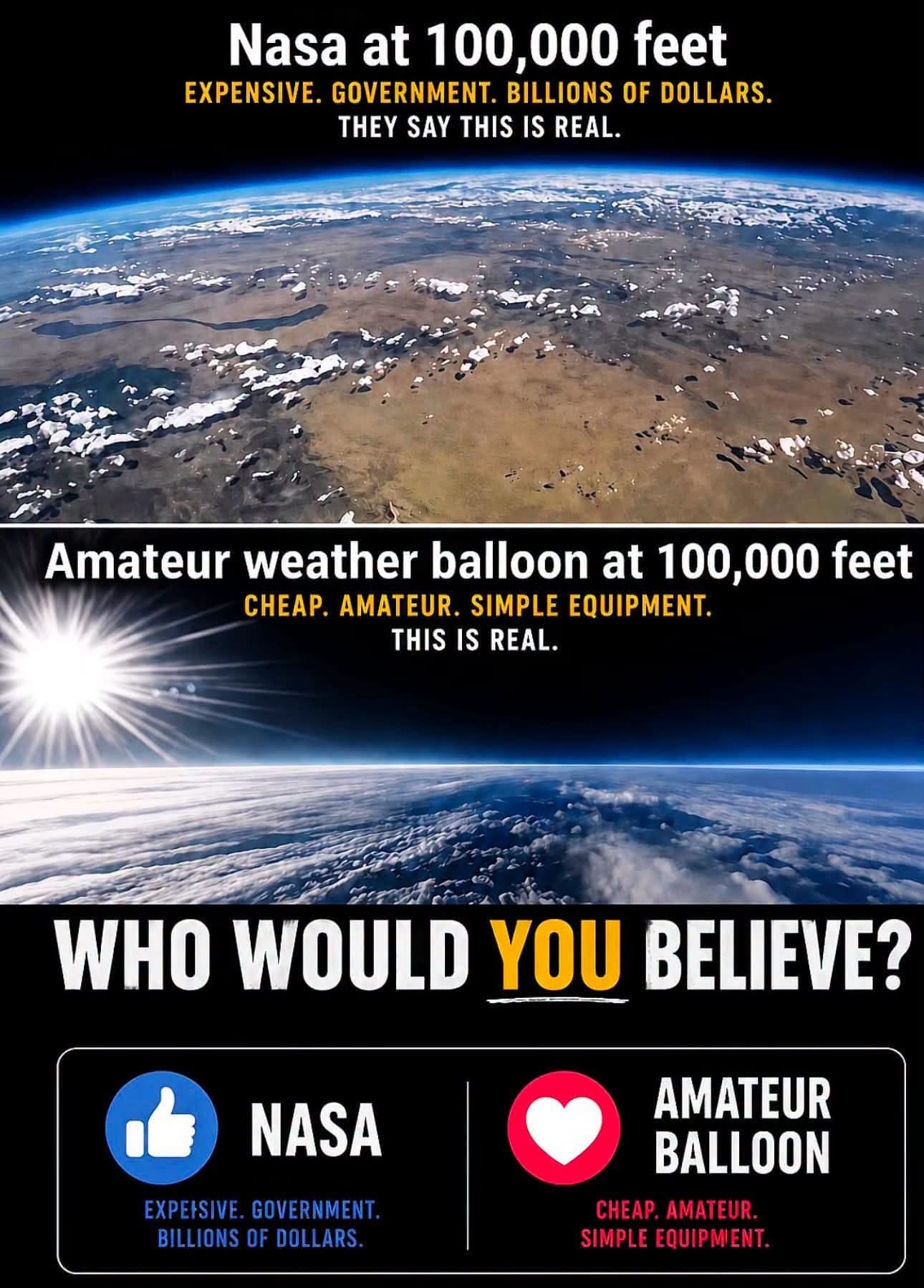
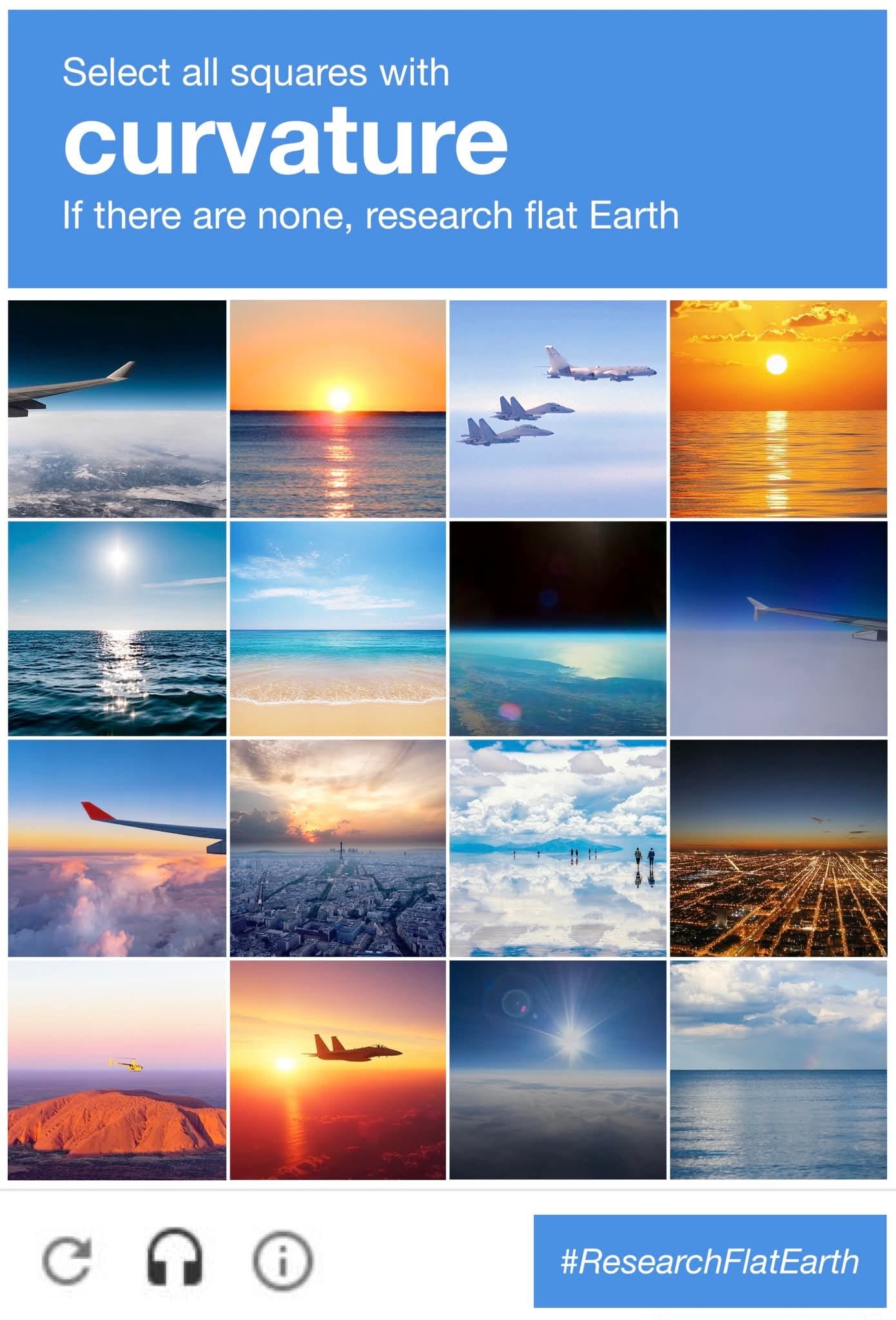
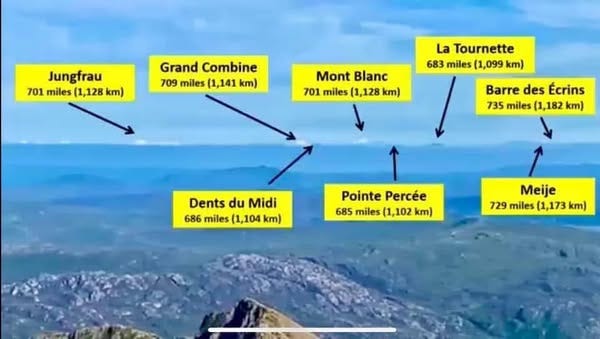
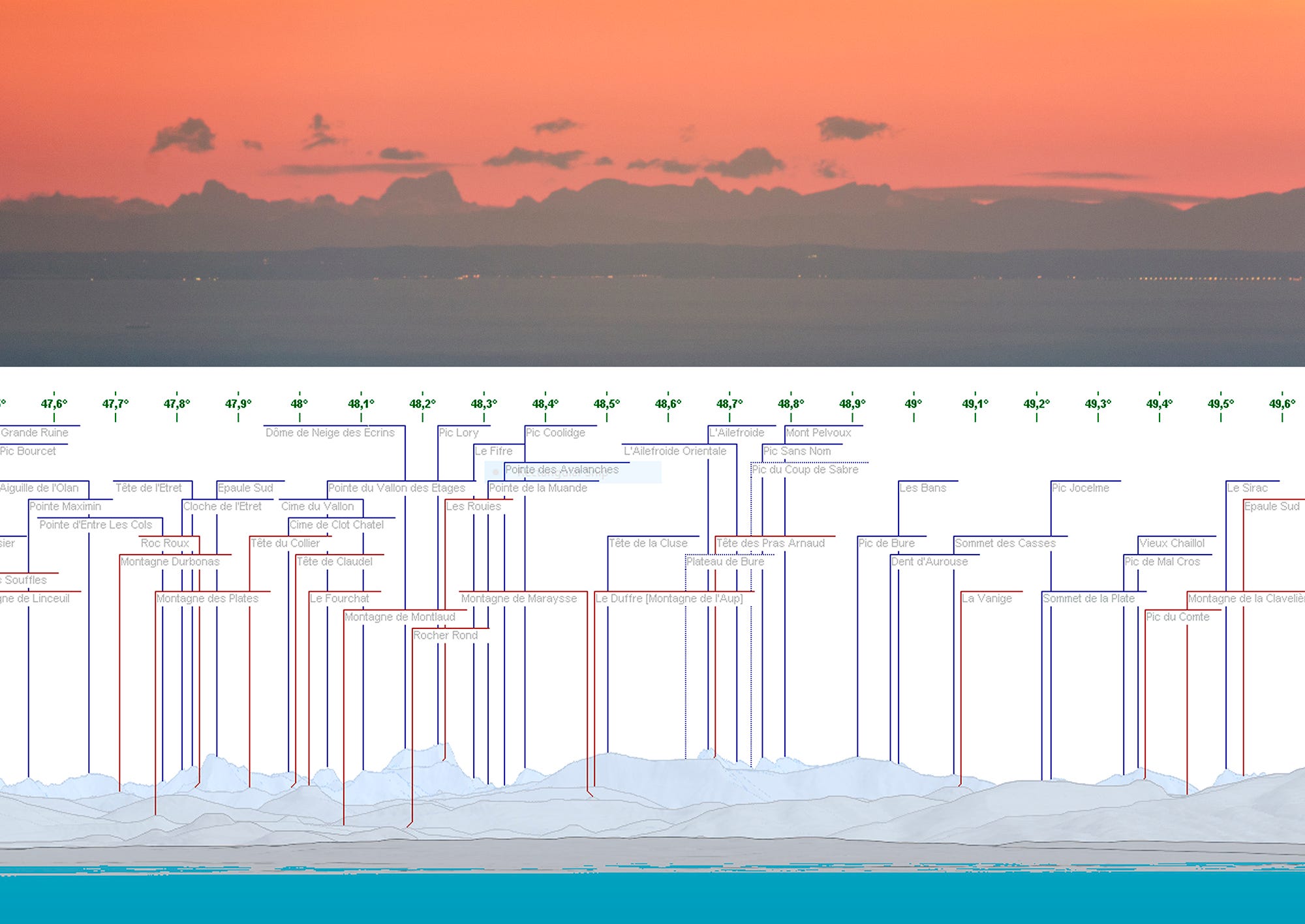
Chicago Sky Line From 50 Miles Away:

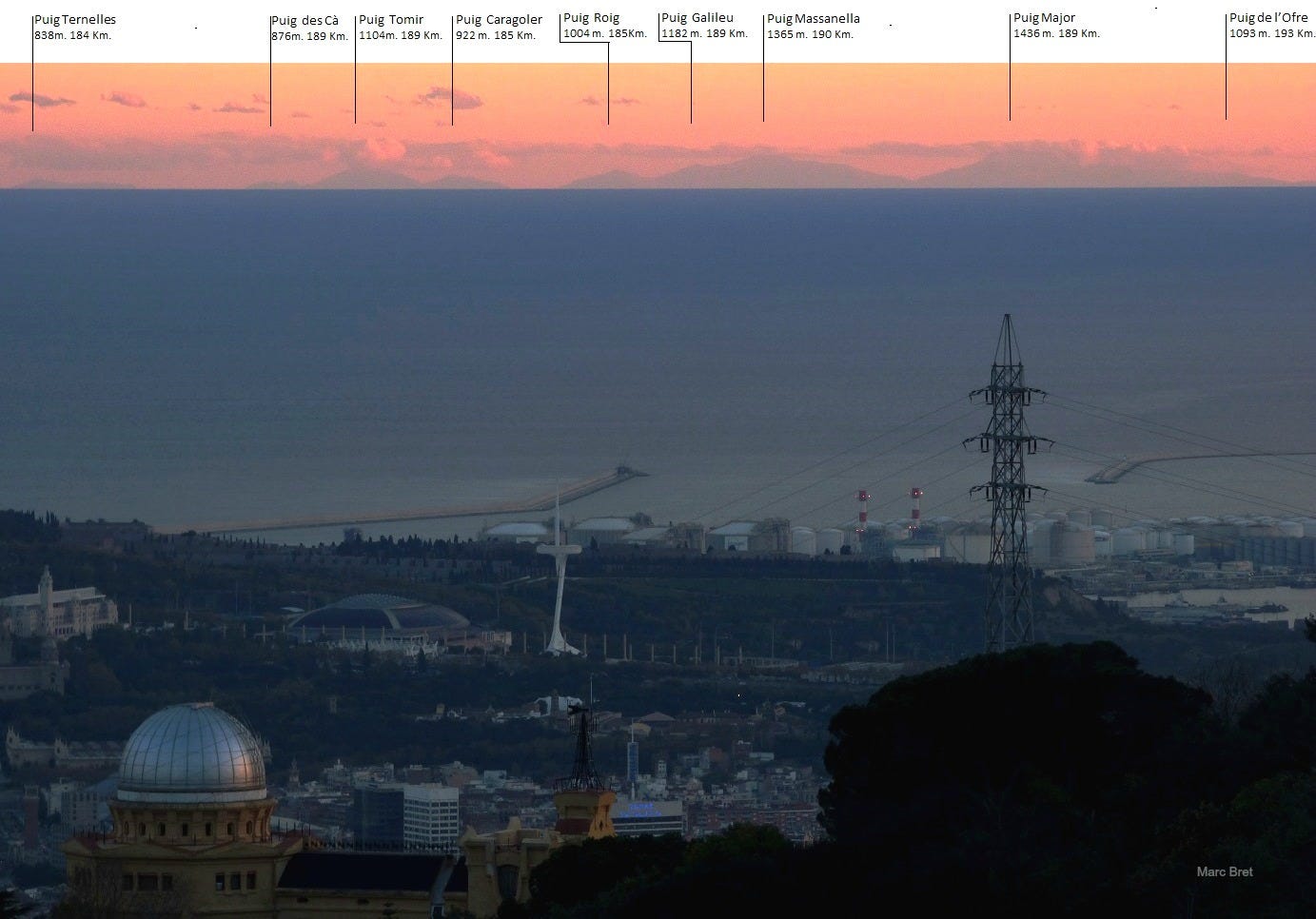
Refraction According to Walter Bislins
The density of the atmosphere generally decreases exponentially with increasing altitude. Any density change causes a refraction. If the density change is not abrupt but continuous as in the atmosphere, the light is not refracted but bent, but we call it Refraction anyway. Light is always bent in the direction of the higher density, and in the atmosphere that is usually downwards. This means that objects in the distance appear higher than with a straight line of sight. This effect increases with the distance of the observed object, since the light beam travels a larger distance.
Refraction is not a constant phenomenon. It depends strongly on the current atmospheric conditions along the light path and therefore fluctuates on the way to the observer. Since it is impossible to measure the actual refraction from the object to the observer, an average value is obtained which can be calculated from the atmospheric conditions at the observer’s location, at least for shorter distances of only some km. But these values can be used for longer distances too if there are similar conditions along the light path. Above the ground layer refraction does not vary much as shown in Refraction Coefficient as a Function of Altitude. The average value corresponds to a light beam following an arc with the constant radius RR.
Return of the Flat Earth:
Colorado Rocky Mountains from 300 to 500 Miles Away in Infrared:
1000 mile visibility across Lake Huron to Hudson Bay:
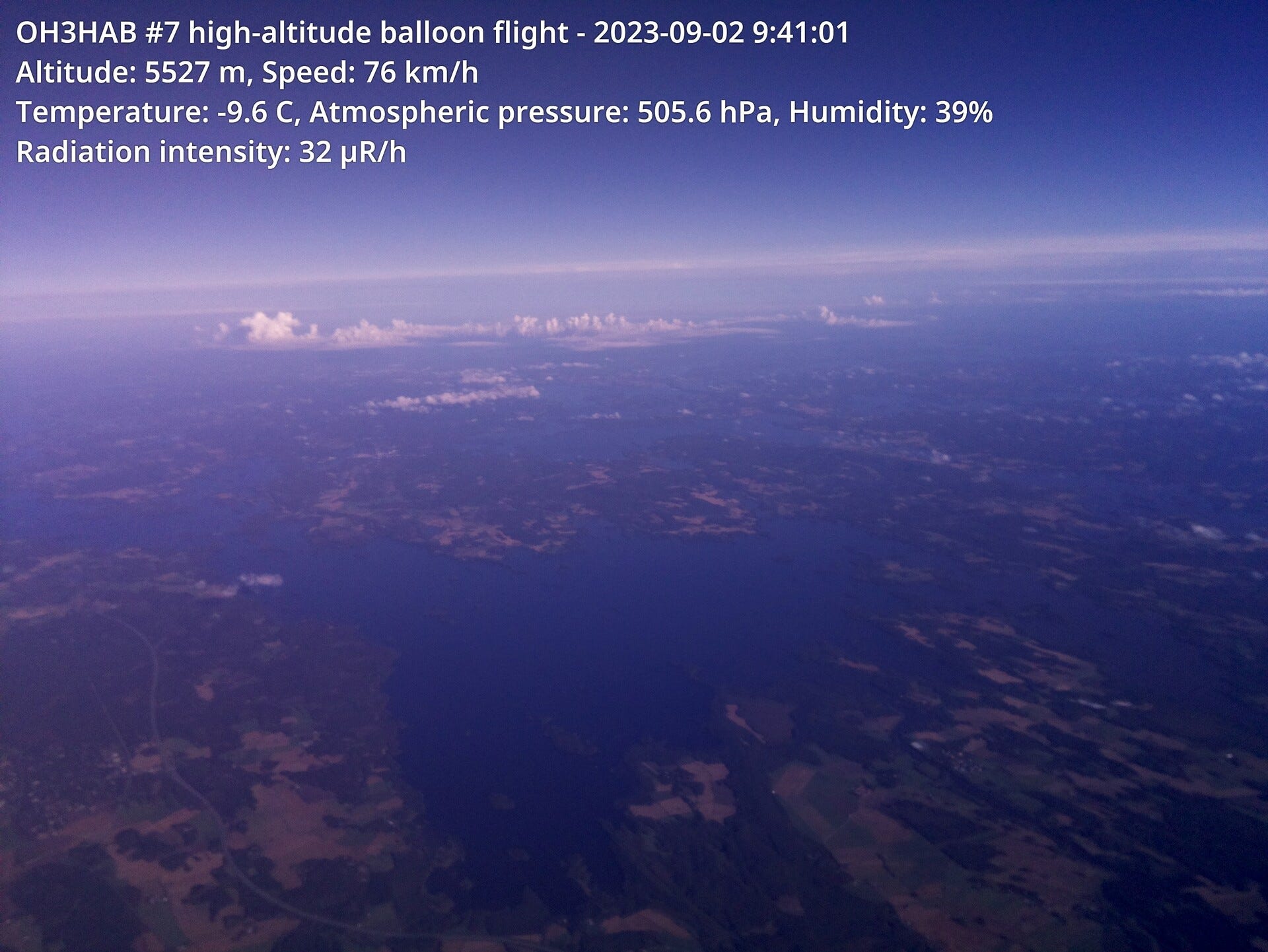
Infrared Horizon from 33 000 feet, Astounding Flat Earth Phenomena!:
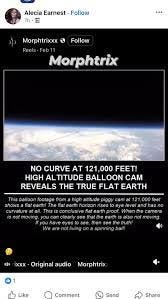
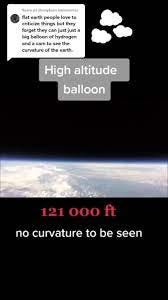
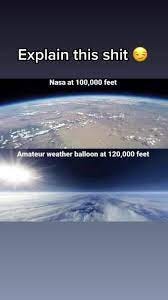
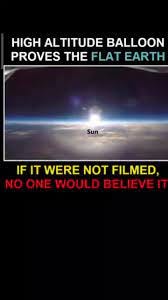
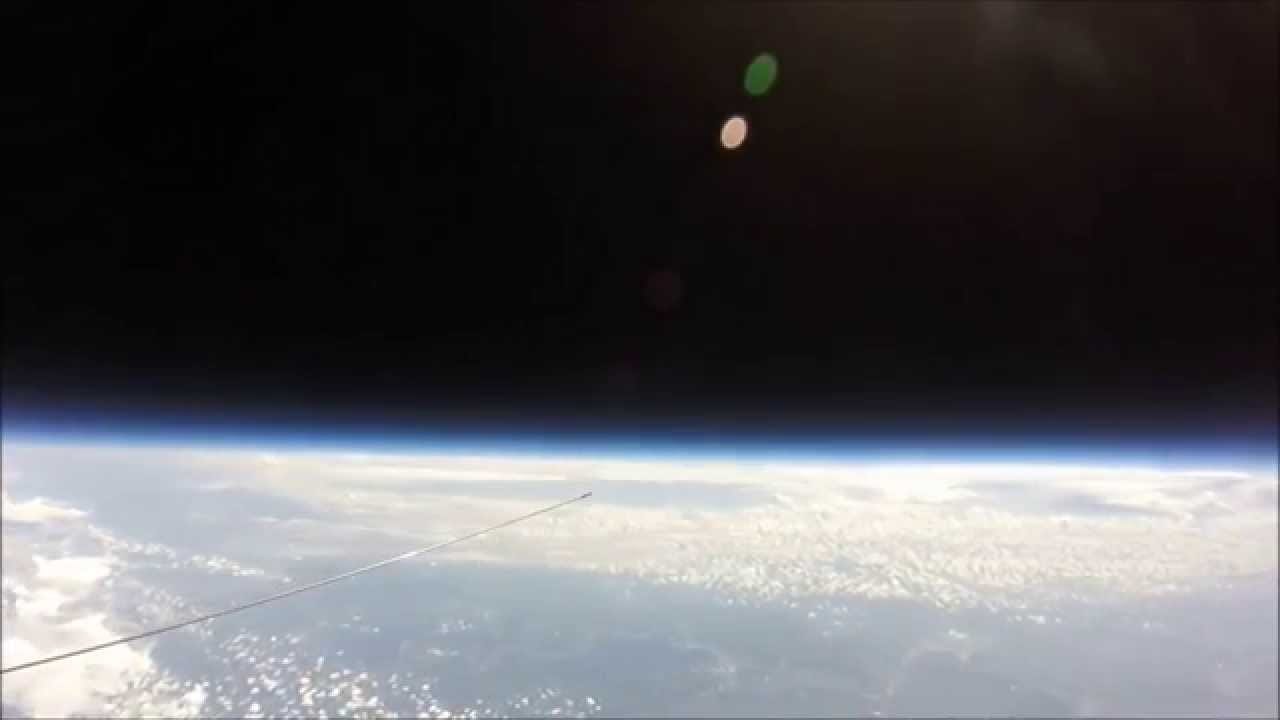
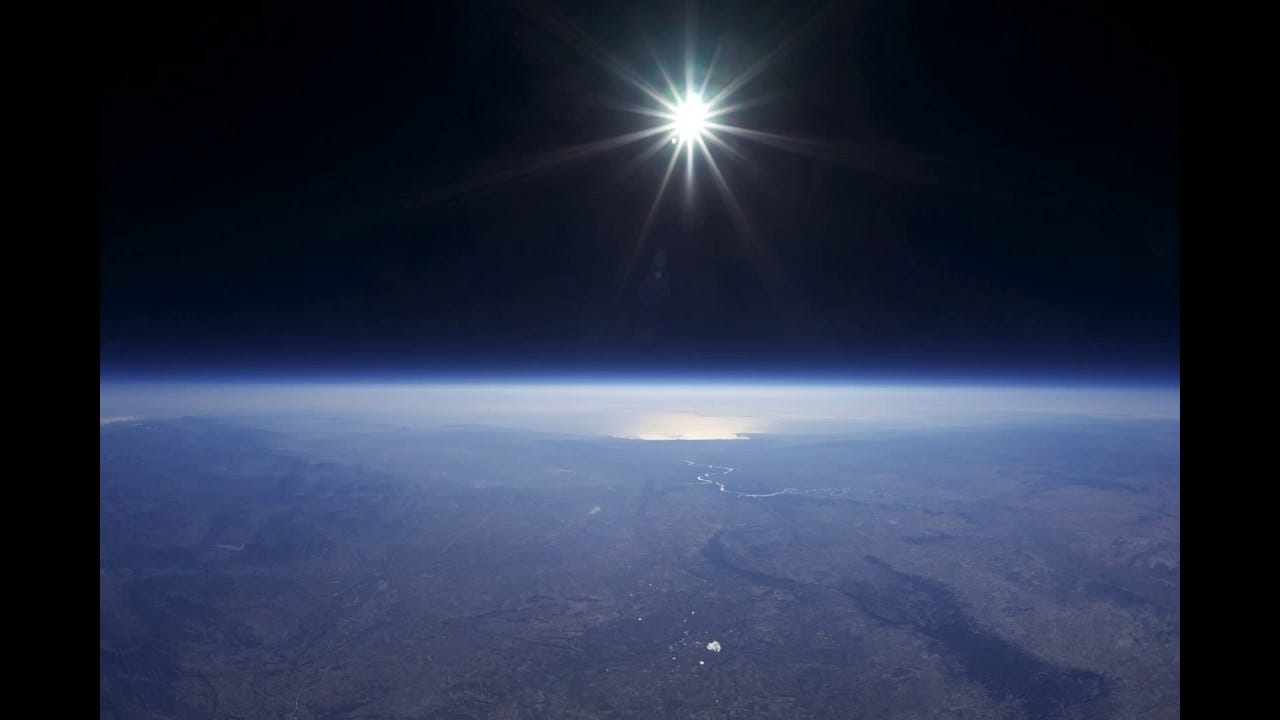
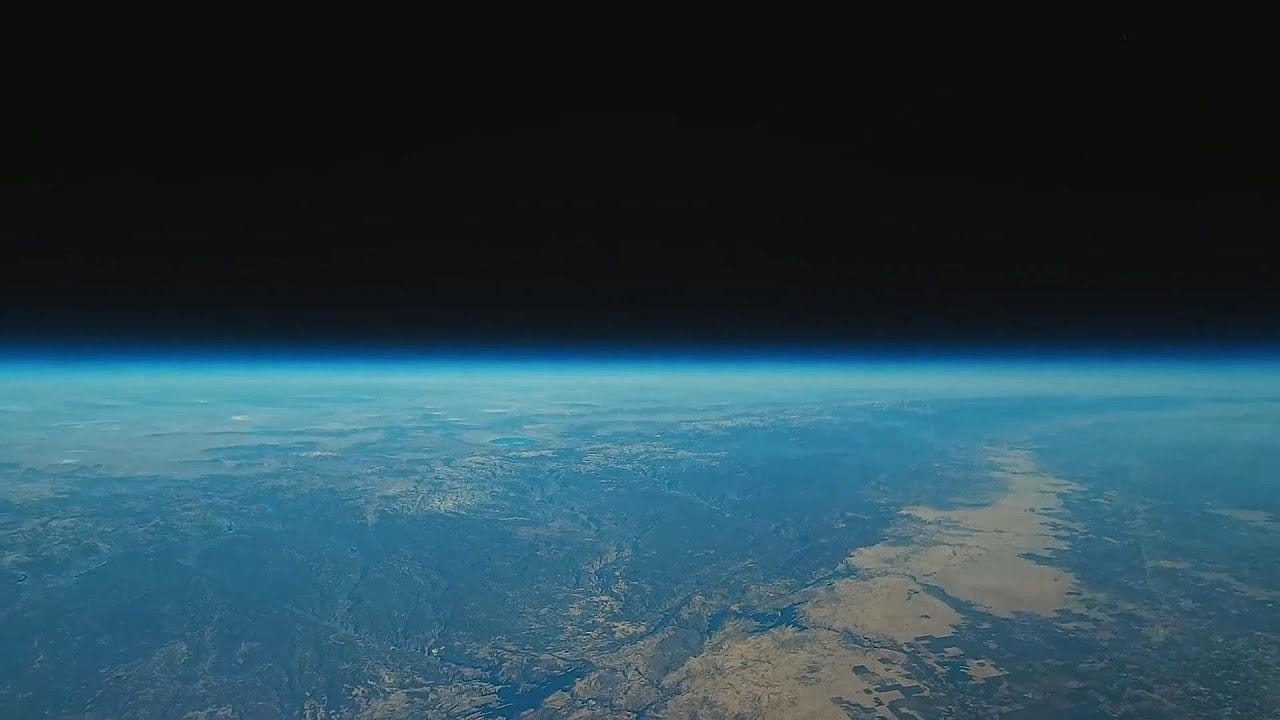
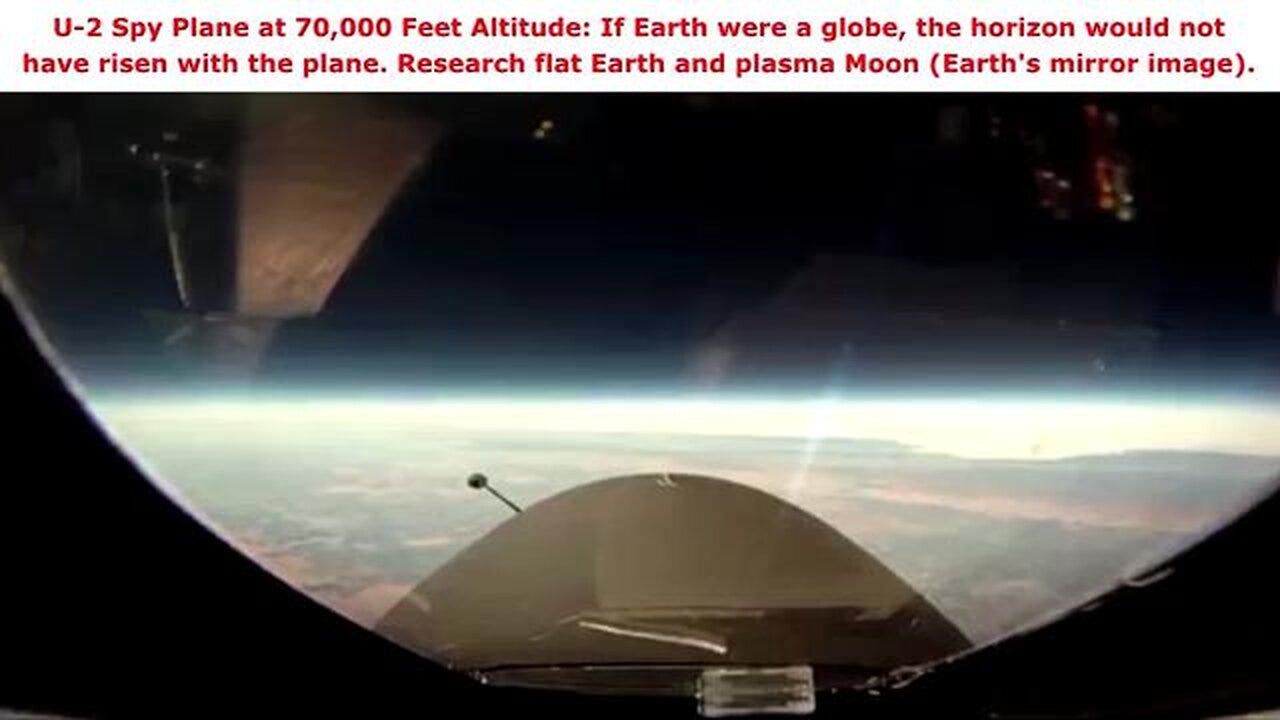
There would seem to be powerful forces pushing the globe hoax 😀